
Drums Classes
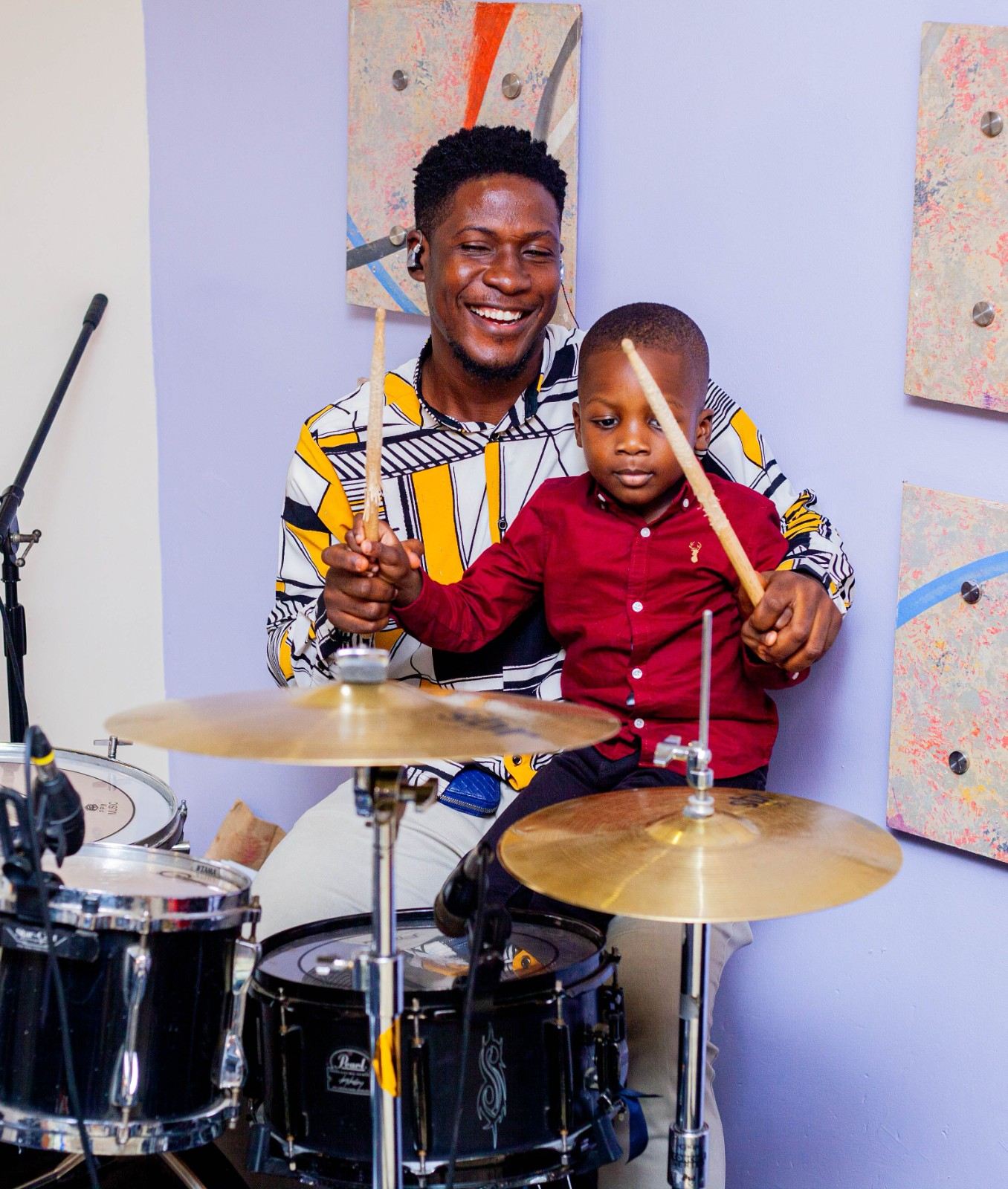
Drums Classes
Build Your Drumming Skills With Iniya Music
Iniya Music Drums Classes are designed for learners who want to explore drumming and develop their playing through structured, practical learning. From understanding the drum setup and learning correct playing posture to practising basic beats and coordinated patterns, students can gradually become familiar with the instrument and build confidence through regular practice. Drumming involves understanding rhythm, timing, counting, sticking patterns, coordination, basic beats, fills, and different rhythmic combinations. These elements help learners develop a stronger sense of pulse and understand how different drum sounds work together to create musical patterns. Building these fundamentals makes it easier to approach exercises, grooves, fills, and drum pieces with better control and consistency. Our drums learning approach combines musical concepts with hands-on playing practice. Students can work on hand and foot coordination, sticking techniques, rhythm accuracy, beat patterns, fills, and playing control while developing familiarity with the drum kit.
Drumming Skills You Will Learn
Develop Your Drumming Skills Step By Step
01
Drum Kit Fundamentals
Become familiar with the drum kit, including the bass drum, snare, toms, cymbals, and other essential parts while learning their basic functions.
02
Posture & Stick Grip
Learn comfortable sitting posture, suitable stick grip, hand positioning, and basic movement techniques that support better control while drumming.
03
Basic Beat Patterns
Practise simple drum beats and rhythmic patterns to develop a steady pulse, improve timing, and understand how different parts of the drum kit work together.
04
Rhythm & Counting
Develop an understanding of beats, counting, tempo, and rhythmic subdivisions while practising patterns that help create greater consistency and timing control.
05
Hand & Foot Coordination
Build coordination between hands and feet through structured exercises that introduce bass drum, snare, hi-hat, and cymbal combinations with better control.
06
Fills & Transitions
Learn basic drum fills and transitions while practising how to move naturally between grooves, helping you add rhythmic variations to different playing patterns.
07
Groove & Timing
Develop stronger groove and timing through repeated rhythmic exercises that improve consistency, coordination, tempo awareness, and overall playing flow.
08
Practice & Progress
Build a consistent drumming practice routine and apply learned techniques through regular playing, helping you improve rhythm, timing, technique, and confidence.
Drums Classes
Find A Drumming Plan That Matches Your Learning Goals
BEGINNER
Drums Starter
A beginner-friendly plan for learners who want to understand the drum kit, develop basic rhythm skills, and start practising simple beats with proper guidance.
₹1,849
/ month
Batch
Weekday/ Weekend
Mode
Online/ Offline
Duration
1 Month
Class Hours
2 Hours
Classes Per Week
2 Classes
Certificate
Course Completion
- ✓ Drum Kit Parts & Basic Setup
- ✓ Basic Sitting & Stick Position
- ✓ Introduction To Drum Strokes
- ✓ Simple Beat Exercises
- ✓ Basic Rhythm & Counting
- ✓ Introduction To Drumming
POPULAR CHOICE
INTERMEDIATE
Drums Progress
A structured plan for learners who want to improve rhythm, coordination, beat control, and sticking techniques while becoming more comfortable with different drumming patterns.
₹2,949
/ month
Batch
Weekday/ Weekend
Mode
Online/ Offline
Duration
2 Months
Class Hours
2 Hours
Classes Per Week
3 Classes
Certificate
Level Completion
- ✓ Basic Drum Beat Practice
- ✓ Sticking Pattern Exercises
- ✓ Hand & Foot Coordination
- ✓ Rhythm & Timing Development
- ✓ Groove Practice Exercises
- ✓ Basic Drum Fill Practice
PREMIUM
Drums Mastery
An intensive plan for learners who want stronger drumming technique, improved coordination, rhythmic control, expressive playing, and more developed performance skills.
₹4,749
/ month
Batch
Weekday/ Weekend
Mode
Online/ Offline
Duration
3 Months
Class Hours
1.5 Hours
Classes Per Week
4 Classes
Certificate
Advanced Completion
- ✓ Advanced Sticking Techniques
- ✓ Complex Rhythm Practice
- ✓ Advanced Hand & Foot Coordination
- ✓ Groove & Tempo Control
- ✓ Advanced Fill Exercises
- ✓ Structured Drumming Performance Practice
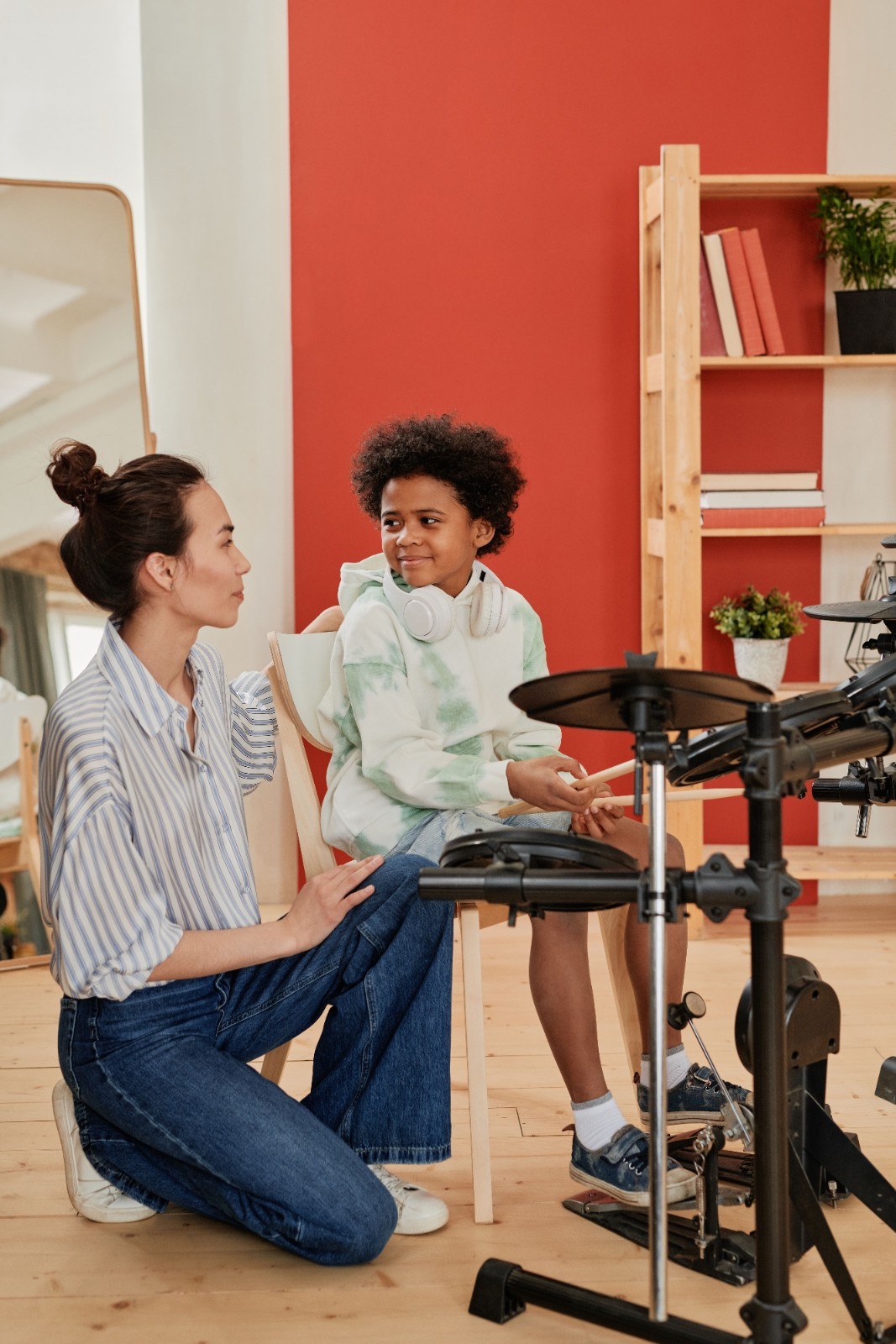
Your Drumming Learning Path
Improve Your Rhythm Through Practical Drumming
Our Drums Classes follow a progressive learning approach that helps you understand the drum kit, develop essential rhythmic techniques, and gradually improve your overall drumming ability. Each stage combines clear instruction with practical exercises to support steady development, better coordination, and consistent practice.
-
01
Begin with drum kit basics, including setup, posture, stick grip, basic strokes, and comfortable playing position.
-
02
Practise beats, counting, sticking patterns, rhythm, timing, and hand-foot coordination through guided exercises.
-
03
Gradually develop grooves, fills, rhythmic variations, playing control, and musical coordination through regular practice.
FAQs
Questions About Drums Classes
Can I join Drums Classes as a complete beginner?
Yes. The Drums Classes are suitable for learners who are new to drumming. You can begin by understanding the drum kit, sitting position, stick grip, basic strokes, and simple rhythms before gradually moving into coordinated beats and playing exercises.
What will I learn during the Drums Classes?
Drumming lessons can include drum kit basics, stick handling, beat patterns, counting, rhythm, timing, sticking techniques, hand and foot coordination, grooves, fills, and playing control. New techniques can be introduced gradually as you become more comfortable with the drum kit.
Will I learn different drum beat patterns?
Beat patterns can be an important part of drumming practice. Learners can become familiar with basic grooves, bass drum and snare combinations, hi-hat patterns, and rhythmic variations. Regular exercises can help improve timing, coordination, consistency, and comfort while playing different beats.
How much should I practise drums between classes?
Regular practice can help reinforce the techniques introduced during class. Repeating beat patterns, sticking exercises, counting, fills, and coordination exercises can improve familiarity with drumming. A consistent routine also provides more opportunities to work on rhythm, timing, and techniques that need additional attention.
Can I learn to play songs on the drums?
Yes. As you become comfortable with basic beats, rhythm, timing, and coordination, you can gradually practise suitable songs and drum patterns. The complexity of the material can increase as your groove, tempo control, fills, coordination, and overall playing ability develop through regular practice.
Are Drums Classes suitable for different skill levels?
Drumming can be approached at different stages, from basic drum kit knowledge to more developed rhythmic techniques. Beginners can focus on posture, stick control, beats, and simple rhythms, while experienced learners can work on grooves, fills, advanced coordination, tempo control, and more structured drumming practice.