
Piano Classes
Piano Classes
Explore Piano Playing With Iniya Music
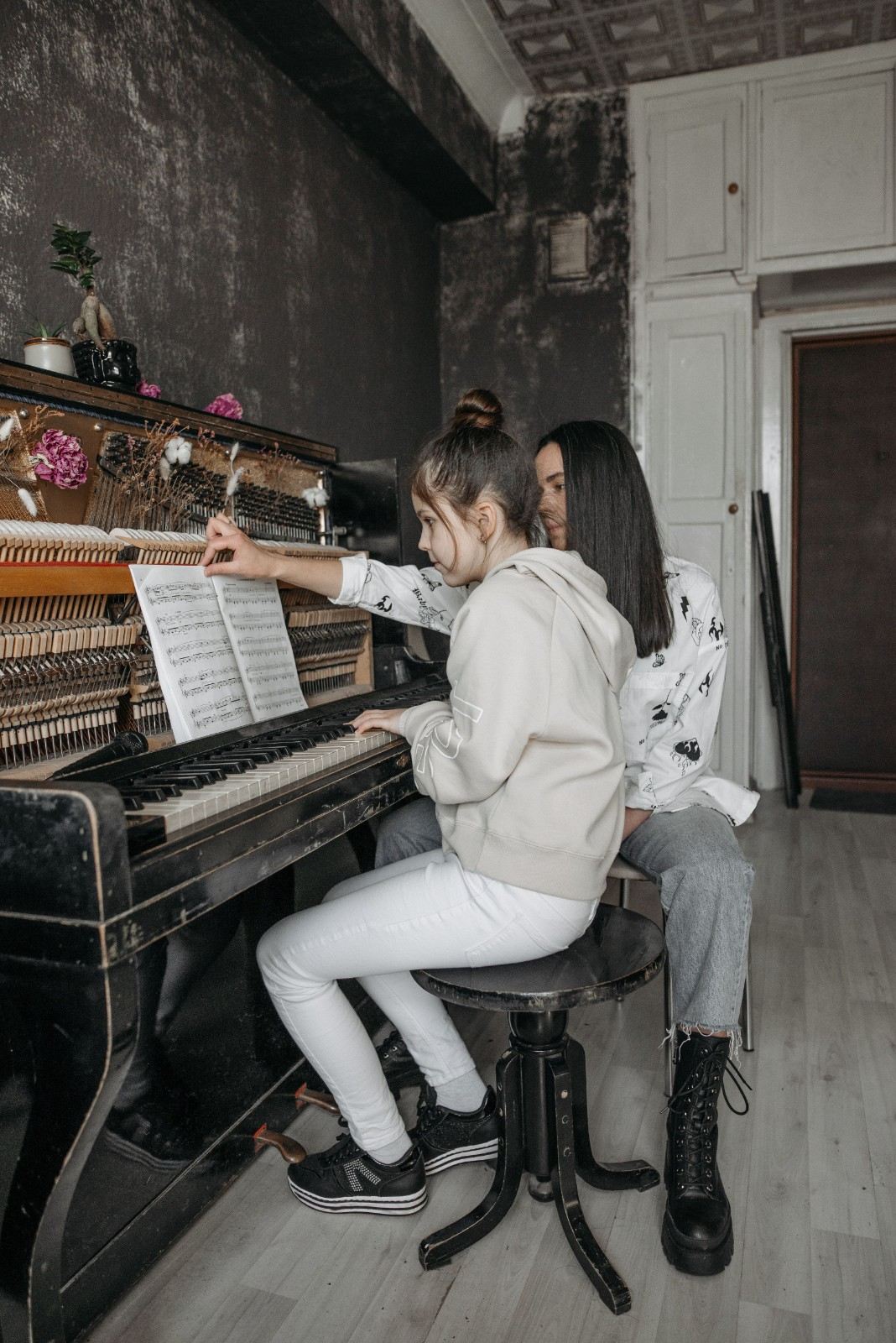
Iniya Music Piano Classes are designed for learners who want to understand the piano and develop their playing through structured, practical learning. From discovering the keys and learning basic musical concepts to practising melodies and developing coordination, students can gradually become more familiar with the instrument and build a comfortable approach to playing. Piano learning involves understanding notes, keyboard patterns, finger movement, rhythm, timing, scales, chords, and musical notation. These elements work together to help learners understand what they are playing rather than simply memorising keys. Building these fundamentals can make it easier to approach different exercises, melodies, and musical pieces with better awareness. Our piano learning approach combines musical concepts with hands-on practice. Students can work on finger independence, hand coordination, note reading, rhythm, playing accuracy, and basic musical expression while developing familiarity with the piano. Regular practice allows learners to reinforce techniques, improve their control, and gradually become more comfortable expressing melodies through the instrument.
What You Will Learn
Develop Your Piano Playing Step By Step
01
Piano Fundamentals
Become familiar with the piano layout, white and black keys, octaves, note positions, and essential musical concepts to create a comfortable starting point for learning.
02
Proper Hand Position
Learn suitable hand positioning, finger placement, and relaxed movement techniques that help you approach the piano comfortably while developing control over each finger.
03
Reading Piano Notes
Develop an understanding of musical notes and basic notation while learning how to locate and play the corresponding notes accurately across the piano keyboard.
04
Scales & Finger Exercises
Practise basic scales and finger exercises to improve movement, flexibility, coordination, and familiarity with different note patterns across the piano during regular guided practice.
05
Piano Chords
Understand basic chord structures and practise common chord combinations while learning how multiple notes can work together to support melodies and musical pieces.
06
Melody & Expression
Learn to play melodies with attention to rhythm, phrasing, dynamics, and musical expression while gradually developing a more natural and controlled playing style with greater musical confidence.
07
Two-Hand Playing
Develop coordination between the left and right hands through structured exercises that introduce different note patterns, rhythms, and playing movements on the piano with improved control.
08
Practice & Musical Growth
Build a consistent piano practice routine and apply learned techniques through regular playing, helping you improve accuracy, coordination, musical understanding, and confidence.
Piano Classes
Select A Piano Learning Plan That Fits You
BEGINNER
Piano Foundations
A beginner-friendly plan for learners who want to understand the piano, learn essential fundamentals, and start playing simple melodies with proper guidance.
₹1,799
/ month
Batch
Weekday/ Weekend
Mode
Online/ Offline
Duration
1 Month
Class Hours
2 Hours
Classes Per Week
2 Classes
Certificate
Course Completion
- ✓ Piano Key & Note Recognition
- ✓ Basic Hand Positioning
- ✓ Simple Finger Exercises
- ✓ Basic Rhythm Practice
- ✓ Simple Melody Exercises
- ✓ Introduction To Piano Playing
POPULAR CHOICE
INTERMEDIATE
Piano Development
A structured plan for learners who want to strengthen their technique, improve coordination, and develop greater control while playing piano pieces.
₹2,799
/ month
Batch
Weekday/ Weekend
Mode
Online/ Offline
Duration
2 Months
Class Hours
2 Hours
Classes Per Week
3 Classes
Certificate
Level Completion
- ✓ Piano Scales & Finger Exercises
- ✓ Basic Music Reading Practice
- ✓ Chord Structure & Practice
- ✓ Rhythm & Timing Development
- ✓ Two-Hand Playing Exercises
- ✓ Melody & Piece Practice
PREMIUM
Piano Mastery
An intensive plan for learners who want deeper piano practice, stronger technique, musical expression, and a more advanced playing experience.
₹4,499
/ month
Batch
Weekday/ Weekend
Mode
Online/ Offline
Duration
3 Months
Class Hours
1.5 Hours
Classes Per Week
4 Classes
Certificate
Advanced Completion
- ✓ Advanced Scale & Chord Practice
- ✓ Detailed Music Reading Exercises
- ✓ Advanced Two-Hand Coordination
- ✓ Dynamics & Musical Expression
- ✓ Advanced Piece Practice
- ✓ Structured Piano Performance Practice
How You Learn
Learn Keyboard Step By Step With Practical Training
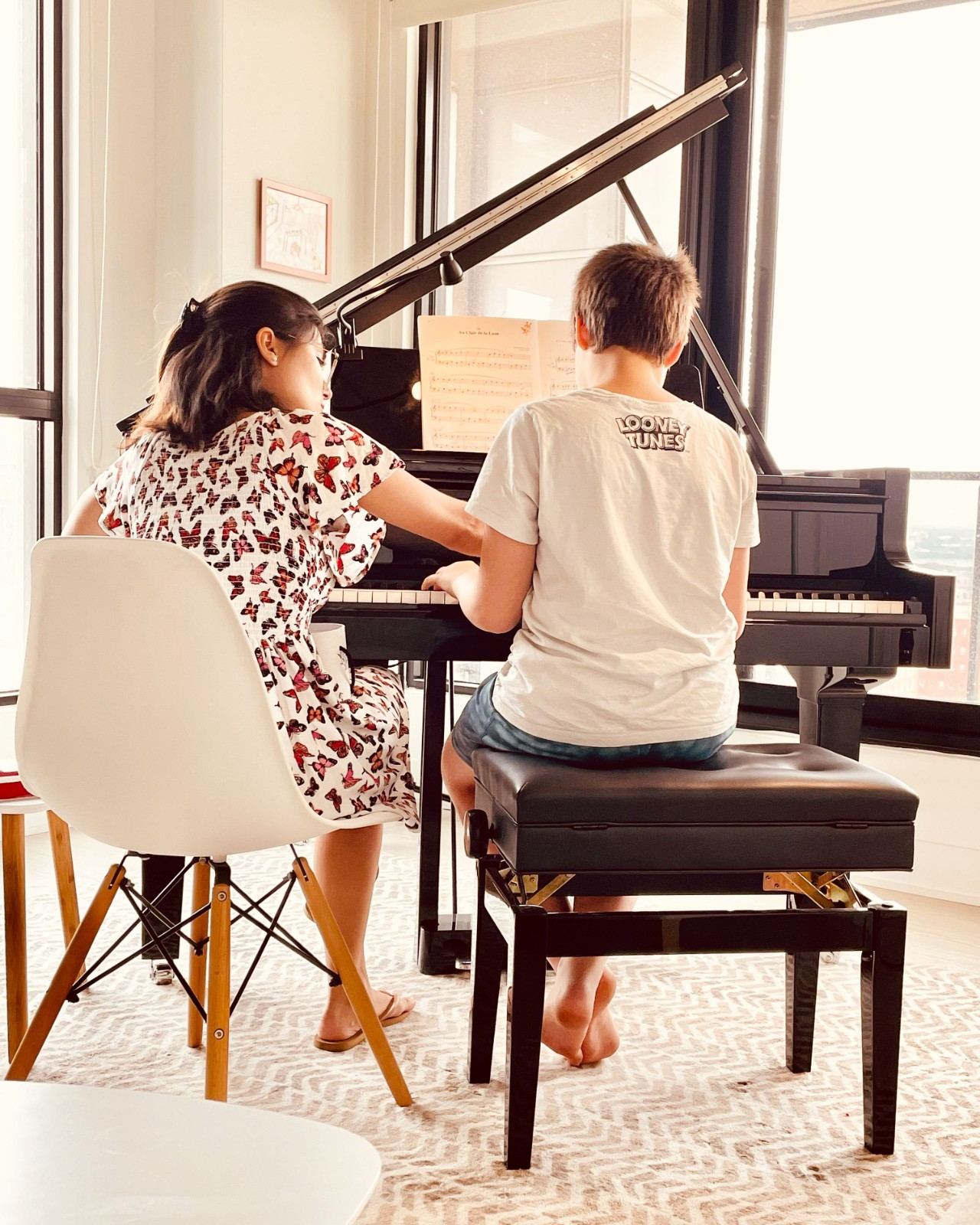
Our Keyboard Classes follow a structured learning approach that helps you understand the instrument, practise essential techniques, and gradually become more comfortable with playing. Each stage focuses on building your skills through simple explanations and practical keyboard exercises.
-
01
Start with keyboard basics, including the key layout, notes, octaves, and finger placement.
-
02
Practise notes, scales, rhythm, and timing through guided exercises designed for your learning level.
-
03
Gradually develop melody playing, chords, hand coordination, and playing confidence through regular practice.
FAQs
Questions About Our
Piano Classes
Can I join the Piano Classes as a complete beginner?
Yes. The Piano Classes are suitable for learners who are starting from the beginning. You can first become familiar with the piano keys, note positions, basic hand placement, and simple musical concepts before gradually moving into practical exercises and piano playing.
What topics are covered in the Piano Classes?
Piano learning can include note recognition, keyboard layout, finger exercises, scales, rhythm, music reading, chords, melody playing, hand coordination, and musical expression. The topics can gradually become more detailed as learners develop familiarity with the instrument and their playing skills.
Will I learn to read music while learning piano?
Music reading can be introduced as part of the piano learning process. Learners can become familiar with notes, basic notation, and their relationship to the piano keys. With regular practice, this can help you understand written musical information and apply it while playing different exercises and pieces.
How much practice is useful between piano classes?
Consistent practice can help reinforce the techniques and concepts introduced during class. Repeating finger exercises, scales, notes, rhythms, and assigned pieces can help improve familiarity with the piano. A regular practice routine also gives you more opportunities to work on areas that require additional attention.
Can I learn to play melodies and piano pieces?
Yes. As you become comfortable with notes, finger movement, rhythm, and basic piano techniques, you can gradually practise melodies and suitable piano pieces. The complexity of the pieces can increase as your coordination, note reading, timing, and playing control develop through practice.
Is piano learning suitable for different skill levels?
Piano learning can be approached at different stages, from basic fundamentals to more developed playing techniques. Beginners can focus on notes, finger movement, rhythm, and simple pieces, while more experienced learners can work on scales, chords, two-hand coordination, musical expression, and more structured piano practice.